


What is environmental testing?
Environmental testing is the process of simulating harsh natural or working conditions to evaluate the performance of a product, component, or system.
The simulated conditions can include: high/low temperatures, thermal cycles, humidity, rain spray, dust, sand, salt spray, low pressure, vibration, mechanical shock, and UV radiation.
These tests help businesses identify product weaknesses right from the research and development (R&D) stage, and also support quality assessment before mass production. This is also the operating principle of Environmental Test Chamber systems developed by many manufacturers such as DGBELL , KOMEG , Teelong , and SinExcel for various industries.
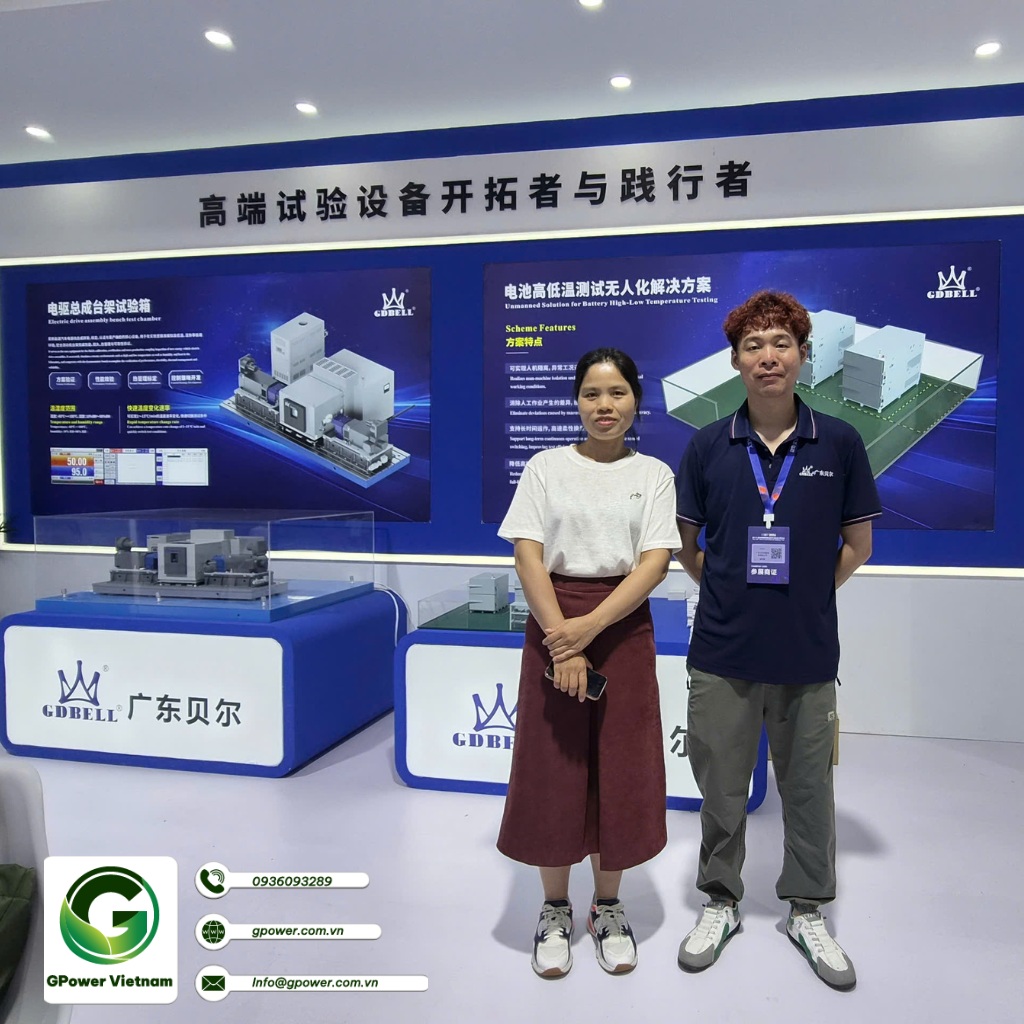
Representatives from GPower Vietnam and DGBell at the 2026 Battery Technology Exhibition.
Why do businesses need to invest in environmental testing?
In many industries, actual working conditions are constantly changing and are often much harsher than the production environment.
Without proper evaluation, the product may encounter problems such as:
- Cracks caused by thermal expansion.
- Metal corrosion.
- The electronic circuit board is damaged due to condensation.
- Loss of ability to be dustproof or waterproof.
- Reduces battery life.
- Sensor measurement error.
- Mechanical failures occur after a period of operation.
Environmental testing helps businesses detect these risks early, reduce warranty costs, limit product recalls, and improve reliability before delivering products to customers.
Common environmental tests
1. Temperature Test
This is a basic test and is applied in most industries.
The test chamber simulates the following conditions:
- High temperature.
- Low temperature.
- Temperature cycle.
- Aging at high temperatures.
The objective is to evaluate the product's performance under continuously changing ambient temperatures.
2. Temperature and Humidity Test
Temperature and humidity are two factors that directly affect the lifespan of electronic components, polymer materials, and batteries.
The test helps to evaluate:
- Anti-condensation properties.
- Electrical circuit stability.
- Material durability.
- Performance in a tropical environment.
Thermo-humidity test chambers typically maintain temperatures between -70°C and +150°C and relative humidity between 20% and 98% RH , depending on the equipment configuration.
3. Thermal Shock Test
The product is rapidly transferred between hot and cold environments to simulate sudden temperature changes.
This test helps detect:
- Material cracking.
- The coating is peeling off.
- The weld is broken.
- Reduce the product's sealing.
4. Salt Spray Test
Used to assess the corrosion resistance of:
- Metal.
- Paint.
- The plating layer.
- Electrical connector.
- Automotive parts.
- Marine equipment.
Common standards include ASTM B117 and ISO 9227.
5. Dust and Sand Test
The test chamber creates an environment with dust or sand and controlled airflow and speed to evaluate:
- Dustproof capability.
- The durability of the gasket.
- The protective effectiveness of the device casing.
- IP protection rating.
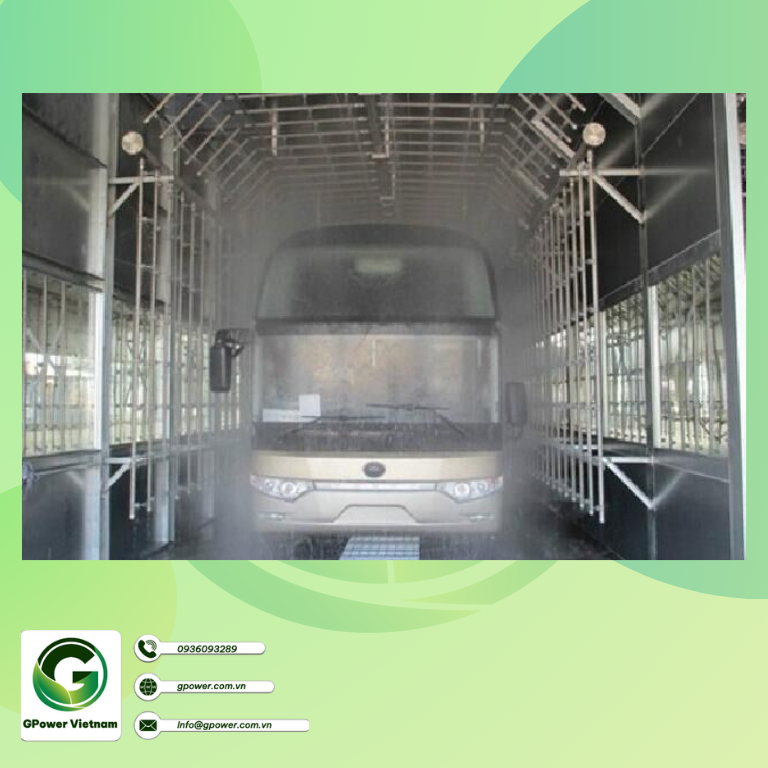
6. Rain Test
The sprinkler system simulates various rain conditions for testing:
- Water resistant.
- The tightness of the device casing.
- The durability of the gasket.
- Protection effectiveness meets IPX standards.
7. Altitude Test
The low-pressure chamber simulates working conditions in high-altitude mountainous regions or inside an aircraft cabin.
This is an important test for:
- Aviation equipment.
- Lithium battery.
- Electronic devices.
- Telecommunications equipment.
Characteristics of the environmental testing system
Modern environmental testing systems are designed to accurately simulate real-world working conditions and can integrate multiple tests into a single device.
Some notable features include:
- A wide temperature range from very low temperatures to above 150°C .
- Precisely control and maintain humidity levels.
- The temperature changes rapidly.
- The ability to combine multiple test conditions such as temperature, humidity, vibration, or pressure.
- Supports connection to data acquisition systems (DAQ) for continuous monitoring during testing.
- The designs range from desktop booths to walk-in chambers for larger products.
Applications in various industries
Car
Environmental testing is used to check:
- Electric vehicle batteries.
- ECU.
- ADAS Camera.
- Radar.
- Sensor.
- Lighting fixtures.
- Electrical connector.
- Wiring system.
Air
Aviation equipment must operate reliably under the following conditions:
- Low temperature.
- Low pressure.
- Vibrate.
- Humidity.
- Thermal cycle.
These are crucial tests before the equipment is certified according to aviation standards.
New energy
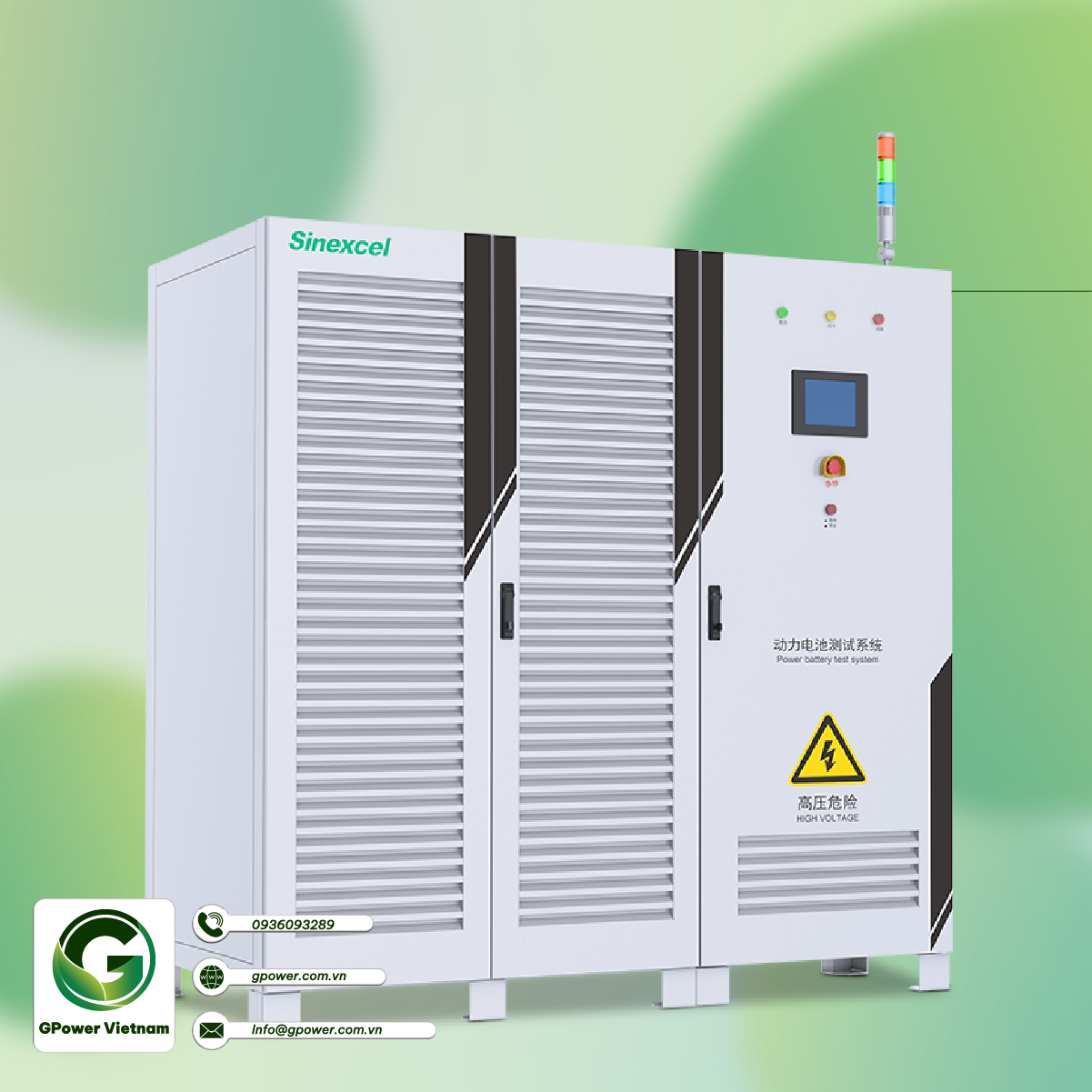
For lithium-ion batteries and energy storage systems (ESS), environmental testing helps to evaluate:
- Charging and discharging performance.
- Stability at high and low temperatures.
- Moisture resistance.
- Battery life.
Electronics and home appliances
Products such as phones, computers, IoT devices, and smart home appliances all need to be tested to ensure they function in a variety of environmental conditions.
Railways and ships
Equipment used on trains and ships is subject to:
- Continuous vibration.
- Slightly salty.
- High humidity.
- Changes in temperature.
Environmental testing helps verify the durability and lifespan of these systems before they are put into operation.
Commonly applied standards
Depending on the industry and product type, environmental testing typically refers to standards such as:
- IEC 60068 – Environmental testing for electrical and electronic equipment.
- MIL-STD-810 – Environmental testing for military equipment.
- ISO 16750 – Environmental conditions for electrical and electronic equipment in automobiles.
- RTCA DO-160 – Environmental testing for aircraft equipment.
- ASTM B117 – Salt spray test.
- IEC 60529 – IP protection rating.
- ISO/IEC 17025 – Competence of testing and calibration laboratories.
Environmental testing – A crucial step in improving product quality.
Environmental testing is not simply a requirement in the quality control process. It is a tool that helps businesses understand the limits of their products, optimize design, and improve reliability before bringing them to market.
As industries such as electric vehicles, aerospace, electronics, and new energy thrive, the demands for product durability and longevity are increasing. Investing in environmental testing systems therefore not only helps meet international standards but also creates a competitive advantage for businesses in the research and production process.
Each product has different testing requirements. Choosing the right equipment and procedures from the outset will help businesses save time, optimize costs, and improve testing efficiency.
GPower Vietnam provides comprehensive Environmental Testing solutions , ranging from temperature and humidity test chambers, thermal shock, salt spray, dust, rain, and altitude testing to vibration testing systems, battery testing, and laboratory construction solutions according to international standards. We collaborate with many reputable testing equipment brands to provide suitable solutions for the automotive, aerospace, new energy, electronics, railway, and shipbuilding sectors.


 Info@gpower.com.vn
